Beyond Initial Incentives: Tracking How Ongoing Reward Structures Shape Long-Term Patterns in Reel Spins and Live Table Participation
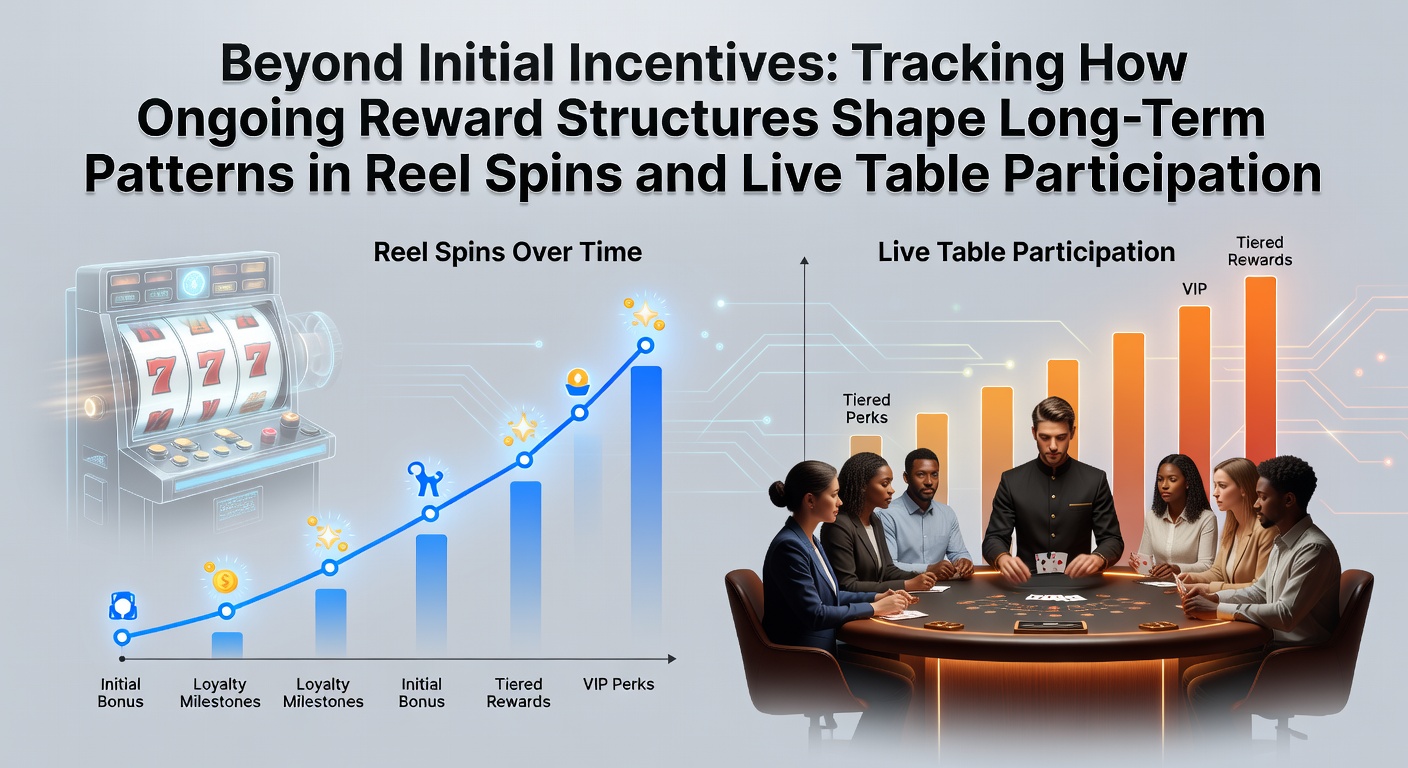
Casino operators have shifted focus from one-time welcome offers to layered reward programs that accumulate value over months and years, and these structures now guide how players approach both reel spins and live table games according to multiple industry analyses.
How Tiered Loyalty Systems Extend Session Durations
Players who enter higher loyalty tiers receive accelerated point earnings along with complimentary meals, hotel stays, and priority access, and these benefits encourage repeated visits rather than isolated trips. Data collected by the New Jersey Division of Gaming Enforcement shows that carded players in upper tiers maintain average session lengths 35 percent longer than new or uncarded guests during the first half of 2026, with the largest gains appearing in May when many properties rolled out seasonal tier multipliers.
Reel spin patterns change noticeably once participants qualify for daily free-play credits or cashback percentages that reset weekly. Observers note that players often spread their spins across multiple shorter visits to maximize the redemption windows, yet total monthly handle rises because the perceived cost per spin drops with each reward layer.
Live Table Participation and Ongoing Reward Triggers
Live table games respond differently to ongoing incentives because comps frequently tie directly to average bet size and time spent at the felt. Researchers tracking participation at major properties report that players who receive monthly table-game-specific offers, such as reduced rake or dedicated dealer assignments, return to blackjack and roulette pits more consistently than those limited to slot-only rewards.
One study released by the University of Nevada, Reno gaming research center examined six months of player data ending in May 2026 and found that participants enrolled in hybrid loyalty tracks increased live table hours by 22 percent after earning mid-tier status, while their slot-only counterparts showed smaller gains concentrated in volume rather than duration.
Behavioral Shifts in Reel Spin Frequency and Volume
Slot floors equipped with real-time reward displays see players adjust bet levels and game selection once they near the next tier threshold. Reports compiled by the American Gaming Association indicate that machines offering progress bars toward bonus rounds or tier points attract higher coin-in per visit once players cross the halfway mark in their current qualification period.
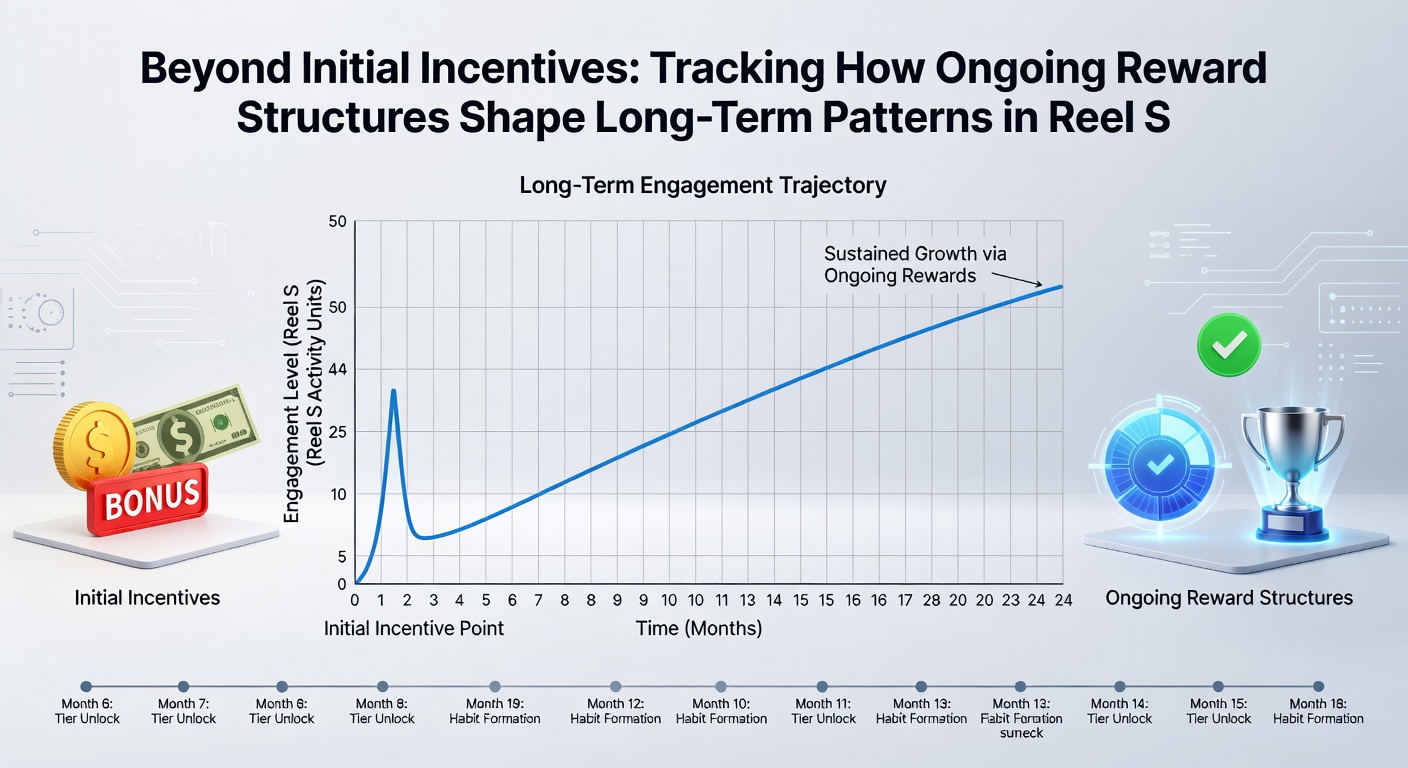
Long-term tracking reveals that these incremental rewards reduce the drop-off rate after initial sign-up bonuses expire. Players who previously chased welcome packages and then reduced activity often maintain elevated play volumes when weekly or monthly cashback percentages remain active, creating steadier revenue curves for operators.
Regional Variations in Reward Program Effectiveness
Markets in the United States, Australia, and parts of Europe apply similar tier mechanics yet observe distinct participation curves. Australian state regulators documented that loyalty members receiving quarterly bonus point multipliers visited venues 1.8 times more frequently than non-members over a twelve-month window, while Canadian provincial data highlighted stronger retention when rewards included non-gaming perks such as concert tickets or spa credits.
European operators, by contrast, lean toward cashback ladders that reset at the start of each calendar month, and this structure appears to compress high-volume play into the final weeks of each period according to aggregated reports from several EU gaming associations.
Measurement Challenges and Data Collection Methods
Accurate assessment of long-term patterns requires linking individual player cards across multiple property visits and game types. Properties that integrated slot and table data streams in 2025 now generate clearer pictures of how a single reward structure influences both reel spins and live decisions within the same account.
Analysts caution that external factors such as promotional calendars, jackpot cycles, and seasonal tourism still affect outcomes, yet the consistent presence of tiered benefits correlates with reduced churn rates across demographic groups tracked through 2026.
Conclusion
Ongoing reward structures continue to reshape participation patterns by converting sporadic visits into sustained engagement across reel spins and live table offerings. Evidence gathered through regulatory filings and academic studies shows measurable extensions in session length, visit frequency, and cross-game movement once players advance through loyalty tiers, with notable activity spikes recorded during May 2026 in several major jurisdictions. Operators who maintain transparent point systems and varied redemption options appear better positioned to sustain these long-term behavioral trends.