Deposit Channel Variations and Their Ties to Extended Engagement Sequences in Wireless Table Game Formats
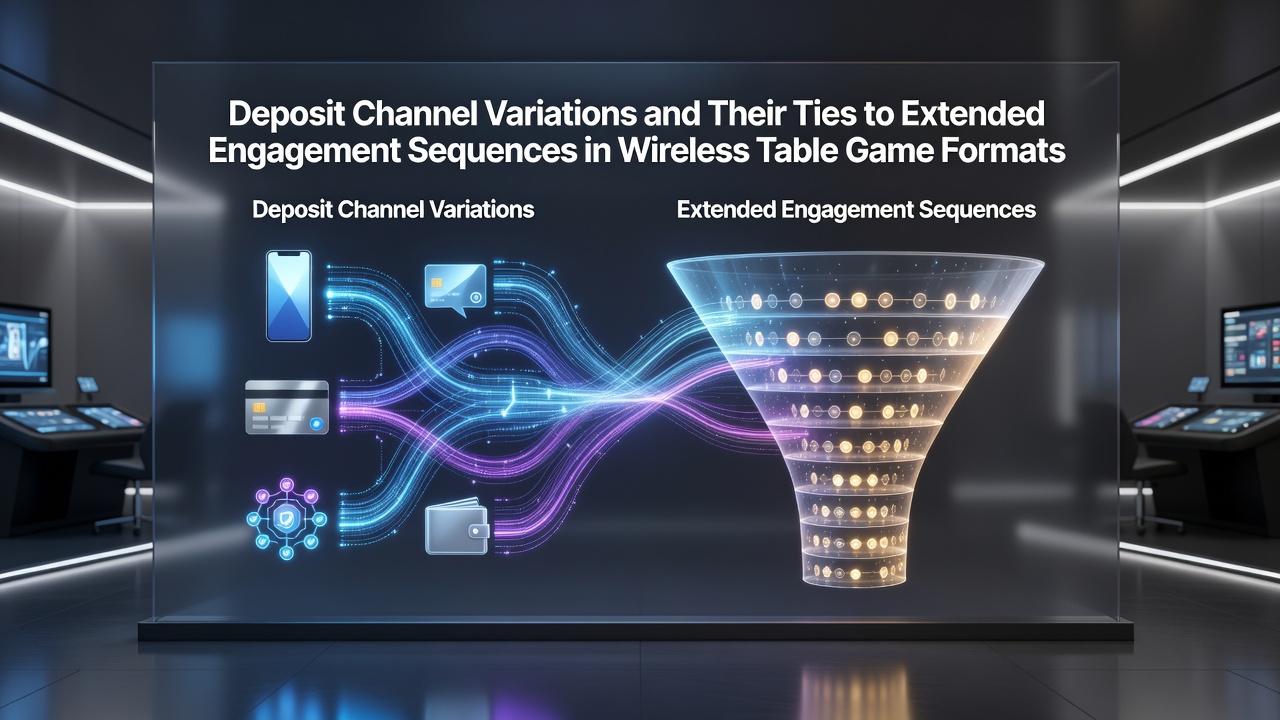
Deposit channel variations play a central role in how players interact with wireless table game formats, where options such as credit cards, e-wallets, bank transfers, and digital currencies each carry distinct processing speeds and fee structures that shape participation patterns over time.
Observers note that instant channels like certain e-wallets often correlate with quicker session starts, while slower bank transfers may lead to more deliberate planning around deposit timing and game selection in mobile environments.
Key Deposit Channel Types and Processing Dynamics
Research from regulatory bodies indicates that credit and debit card deposits remain prevalent across North American and European markets, yet they introduce authorization holds that can interrupt flow during extended play sequences in live dealer blackjack or roulette apps. E-wallet services, by contrast, frequently enable same-minute funding, which data from industry reports ties to higher continuation rates in portable table game sessions because players avoid waiting periods altogether.
Bank transfers and prepaid vouchers typically require additional verification steps, and those who've examined transaction logs find these methods align with shorter initial engagements followed by later returns once funds clear. Cryptocurrency channels add volatility through exchange rate fluctuations, yet they appear in records from operators in regions with favorable digital asset rules, where transaction anonymity sometimes extends sequences by reducing friction in repeated deposits.
Observed Patterns in Engagement Sequences
Figures from gaming associations reveal that players using faster deposit methods sustain longer average session durations in wireless formats, with mobile table games showing measurable differences in spin or hand counts per visit. One analysis of portable dealer-led platforms found that e-wallet users logged sequences averaging 25 percent more hands than those relying on card pre-authorizations during comparable time frames in early 2026.
What's interesting is how channel choice intersects with bonus eligibility, since many wireless operators tie reload promotions to specific funding sources, and this linkage encourages repeat deposits that stretch participation across multiple days or weeks. Data shows these incentives often amplify engagement when paired with instant channels, creating loops where players return to maintain eligibility thresholds in ongoing table game environments.
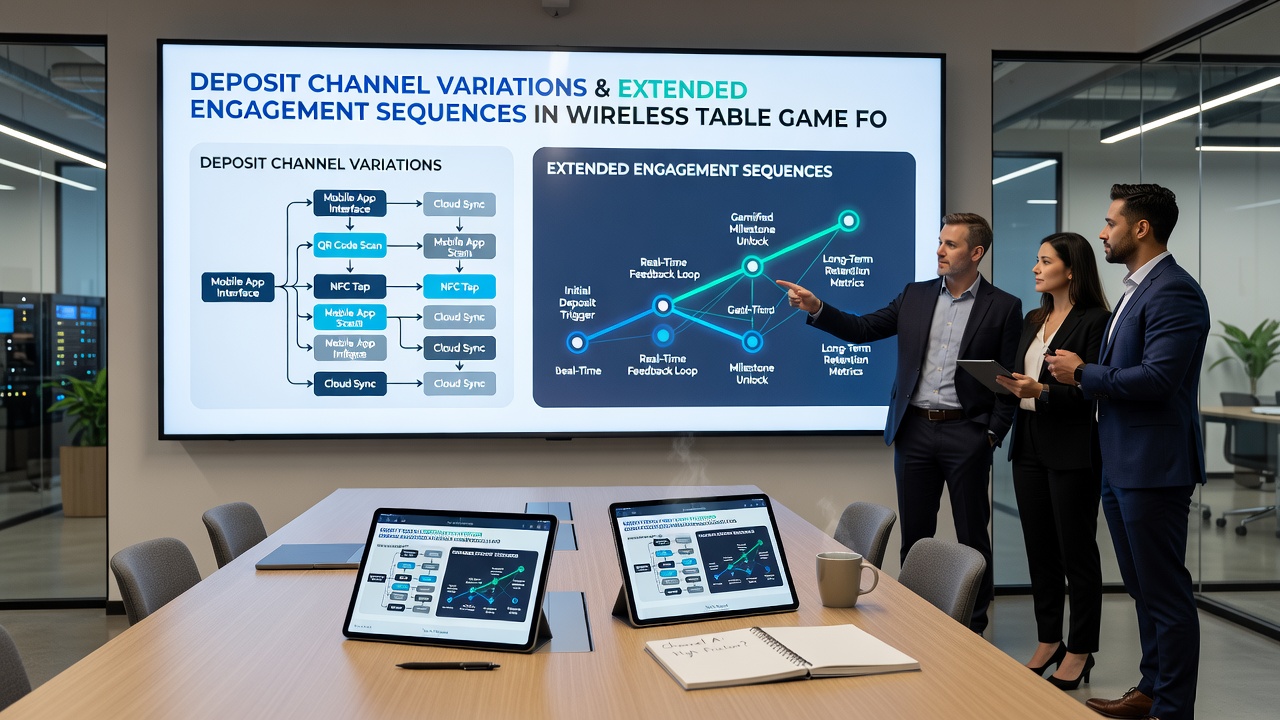
Regional data collected through July 2026 highlights further distinctions, as markets with strict payment regulations tend to favor slower channels that correlate with more fragmented engagement sequences, whereas jurisdictions allowing diverse digital options report smoother transitions between deposits and continued play.
Regional Data and Market Comparisons
According to statistics released by iGaming Ontario, Canadian operators observed that e-wallet deposits supported extended mobile table participation patterns, particularly in live roulette formats where players maintained activity across several hours without interruption. Similar patterns emerged in Australian market reviews, where bank transfer users displayed steadier but shorter sequences compared to those leveraging digital wallets that integrate directly with app-based funding.
There's this case where experts tracked player cohorts across U.S. states with expanding online table offerings, and the results pointed to cryptocurrency deposits linking with higher variance in session length because exchange confirmations sometimes delayed restarts yet encouraged larger single deposits that funded prolonged play once processed.
Adaptive algorithms used by operators further refine these dynamics by routing promotions toward channels that historically yield sustained engagement, and researchers have documented how such targeting increases deposit frequency within wireless table ecosystems without altering underlying game mechanics.
Technical Factors Influencing Channel Selection
Security protocols and cross-border transaction rules add layers to channel preference, since multi-factor authentication on certain cards can pause sequences while e-wallets with biometric login maintain momentum. Observers note that these technical elements compound over repeated sessions, where players gravitate toward methods minimizing downtime in live dealer interactions on portable devices.
Evidence from transaction studies suggests that fee transparency also matters, with low-cost channels supporting longer cumulative engagement because players allocate more of their balance directly to table play rather than transaction overhead.
Conclusion
Deposit channel variations continue to intersect with engagement sequences in wireless table game formats through measurable differences in speed, cost, and integration that operators and regulators track via aggregated data. Patterns identified in 2026 reports from sources such as the American Gaming Association and academic reviews at institutions like the University of Nevada, Las Vegas demonstrate how these funding options shape participation without dictating individual outcomes, providing a factual basis for ongoing market analysis across regions.