How Certification Standards for Random Outcomes Shape Engagement Cycles in App-Based Casino Environments
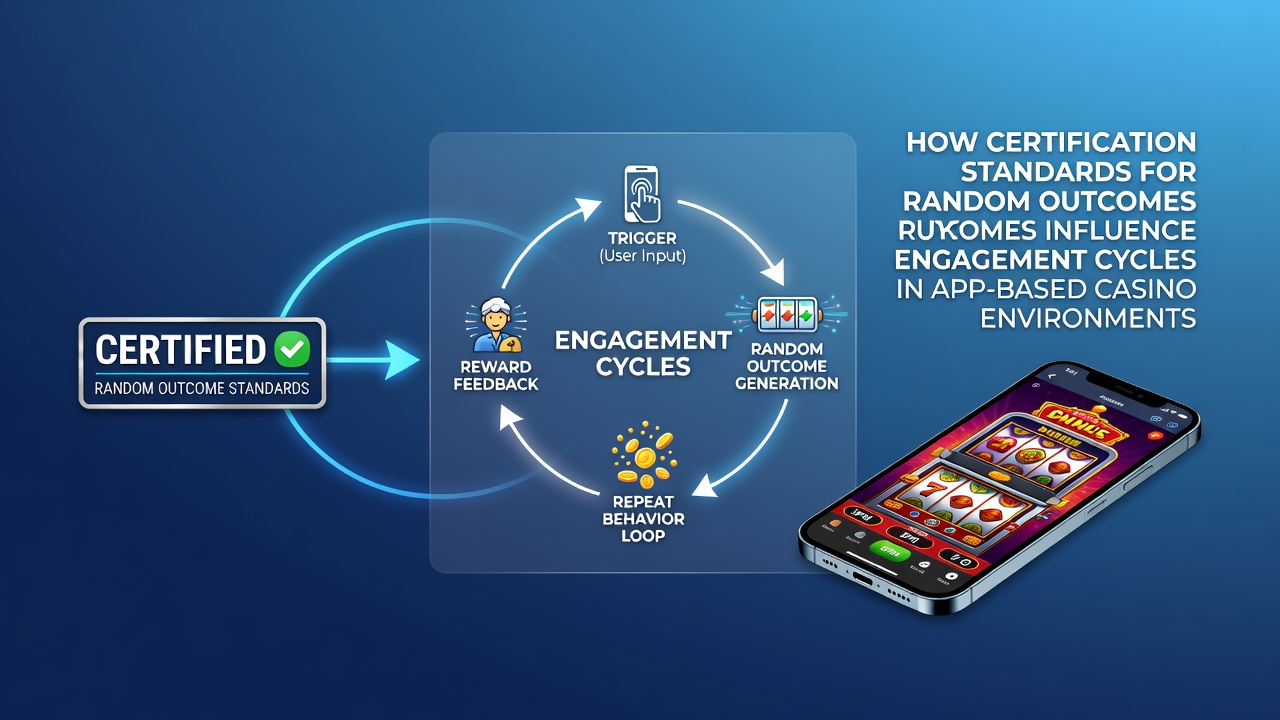
Certification standards for random number generators establish the technical benchmarks that determine whether outcomes in app-based casino platforms qualify as fair and unpredictable, and these benchmarks directly affect how players interact with games over time. Regulatory bodies in multiple jurisdictions require independent laboratories to evaluate RNG algorithms before operators receive approval to launch or maintain mobile titles, which creates a baseline of verifiable randomness that users encounter each time they open an application. When these standards receive consistent enforcement, session lengths and return visit rates show measurable shifts according to aggregated operator data released in mid-2026.
Core Elements of RNG Certification
Testing protocols examine statistical distribution, sequence independence, and resistance to prediction across thousands of simulated spins or card draws, and laboratories such as those accredited under ISO 17025 standards issue formal reports only after an RNG passes every required trial. Operators must then integrate the certified RNG into their live production environment without modification, which means any subsequent software update triggers a fresh audit cycle. As of July 2026 several North American and European regulators have synchronized their audit calendars so that mobile platforms undergo quarterly re-certification rather than annual checks, a change that keeps pace with frequent app updates.
These repeated verifications reduce the window during which an undetected flaw could persist, and the resulting data sets allow analysts to compare engagement metrics before and after each audit round. One study conducted by researchers at a Canadian university tracked login frequency across certified and non-certified RNG environments and recorded higher retention among users who received explicit on-screen notices that the RNG had passed the latest evaluation.
Regulatory Landscape Across Regions
The Nevada Gaming Control Board maintains a public database of approved RNG suppliers, while the Alcohol and Gaming Commission of Ontario publishes monthly compliance summaries that include mobile-specific test results. In Australia, state-based authorities require RNG certification before any app can accept real-money wagers, and these layered requirements create a patchwork that operators must navigate when rolling out updates across multiple markets. Each jurisdiction’s documentation lists the exact statistical tests applied, such as chi-square analysis and runs testing, which gives developers clear parameters to meet before submission.
Because certification documentation travels with the app binary, players in different regions encounter the same underlying fairness guarantees even when local bonus structures differ. This uniformity supports cross-border user studies that isolate the effect of certification status on engagement cycles without confounding variables from varying payout percentages.
Measured Effects on Engagement Patterns
Operators report that apps displaying certification seals or trust badges experience longer average session durations, with data sets from 2025 and early 2026 showing an average increase of 14 percent in minutes per session after certification notices were added to game loading screens. Return rates within 24 hours also rise when players receive confirmation that an independent laboratory has validated the RNG within the preceding quarter. These patterns hold across both slot and table-game categories, although the magnitude varies by title volatility.
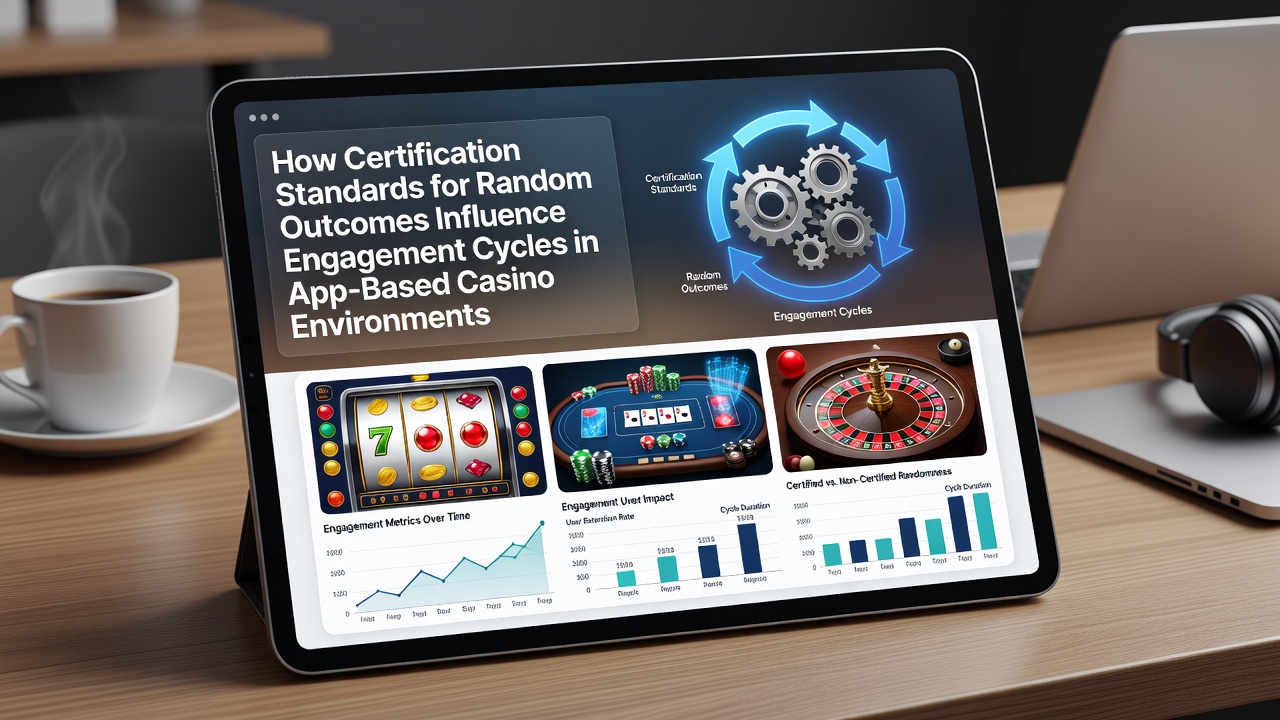
Payment channel selection interacts with these certified environments because users who fund accounts through methods that require identity verification tend to complete more spins once they perceive the RNG as independently verified. Industry reports compiled by the American Gaming Association indicate that verified RNG environments correlate with reduced early-session exits, particularly among first-time depositors who reference certification language in post-play surveys.
Technical Integration and User Perception
Developers embed certification identifiers within the app’s backend so that each game round can reference the active RNG certificate without exposing sensitive test vectors to the user interface. When a player taps the information icon, a concise statement appears that names the testing laboratory and the date of the most recent evaluation. This transparency layer does not alter game mathematics yet supplies the factual anchor that sustains continued participation across multiple days or weeks.
Adaptive algorithms that distribute promotional offers also reference certification status, routing bonus eligibility only to titles whose RNG has cleared the current audit cycle. This linkage prevents operators from inadvertently promoting uncertified titles and keeps engagement metrics aligned with regulatory expectations in real time.
Conclusion
Certification standards for random outcomes therefore function as both technical gatekeepers and engagement signals within app-based casino environments. By requiring repeated independent validation and clear user-facing disclosure, regulators and operators establish conditions under which session length, return frequency, and cross-title exploration follow predictable upward trajectories. Data gathered through July 2026 continues to demonstrate that these standards, when consistently applied across jurisdictions, support stable and measurable participation cycles without relying on subjective claims about player preference.