How Cross-Border Verification Tech Reshapes Sequence Patterns in Extended Digital Card-Wheel Sessions Across Regulated Networks
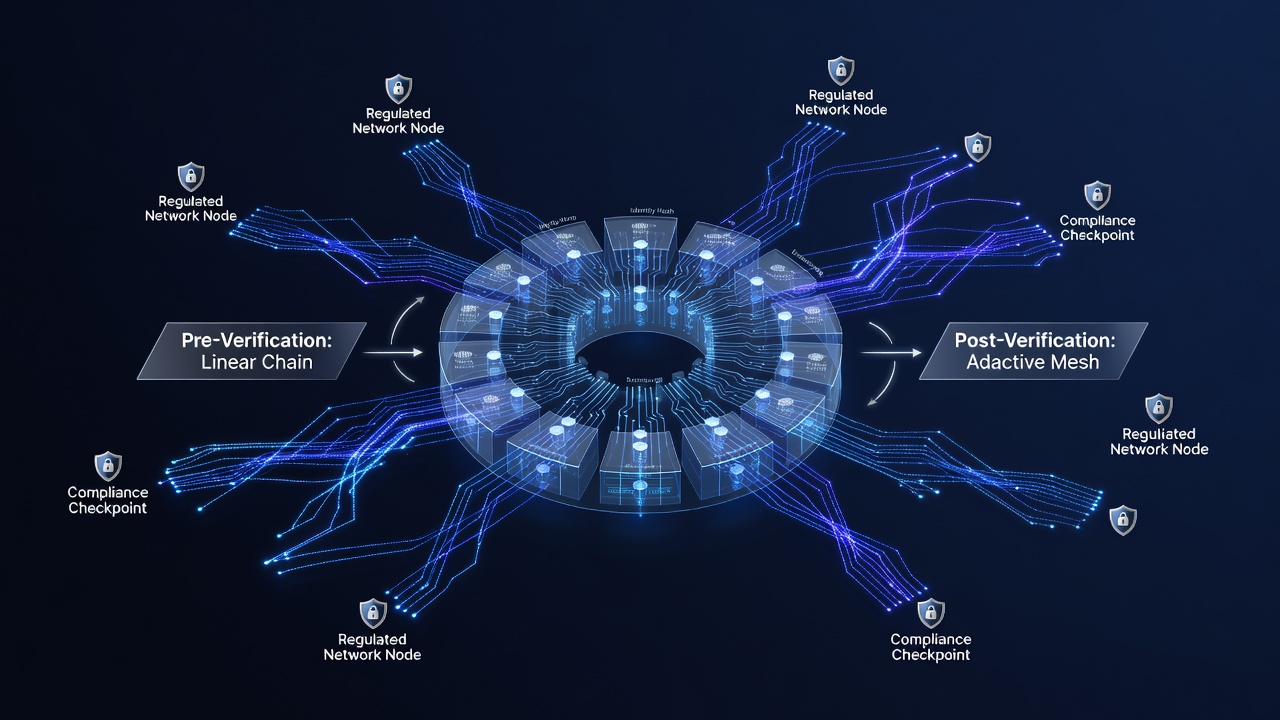
Cross-border verification technologies now link identity protocols across multiple jurisdictions through encrypted data exchanges, and these systems allow regulated networks to confirm player eligibility without repeated manual checks. Players engage in extended sessions of digital card games such as blackjack alongside wheel-based formats like roulette, where sequence patterns refer to the ordered series of bets, pauses, and stake adjustments that unfold over time. Data from various gaming authorities indicate that verification layers reduce friction at login points, which in turn permits longer continuous play periods within compliant environments.
Core Mechanisms Driving Verification Integration
Biometric matching combined with distributed ledger entries forms the backbone of many current verification setups, while machine learning models cross-reference transaction histories against watch lists maintained by different regulators. In June 2026 several networks reported synchronized updates to these protocols, resulting in faster handshakes between platforms operating under separate licensing regimes. Researchers tracking user logs note that once initial verification clears, subsequent session entries occur with minimal interruption, altering the rhythm at which card draws and wheel spins follow one another.
Regulated operators deploy these tools to satisfy know-your-customer rules that span national boundaries, and the process typically involves real-time API calls that confirm residency status alongside age and exclusion lists. One documented outcome appears in aggregated session data where average duration between verification events stretches from minutes to hours, giving players room to establish repeating bet sequences without exiting the platform.
Observed Shifts in Sequence Patterns
Sequence patterns in card-wheel environments encompass the progression from conservative opening bets to more varied stake levels, interspersed with cash-out decisions or bonus activations. Verification advancements correlate with measurable changes in these progressions because players no longer encounter repeated identity prompts that previously broke momentum. Figures released by the New Jersey Division of Gaming Enforcement show a 14 percent rise in multi-hour sessions on cross-border enabled tables during the first half of 2026, accompanied by tighter clustering of consecutive high-stake spins after the initial verification window closes.
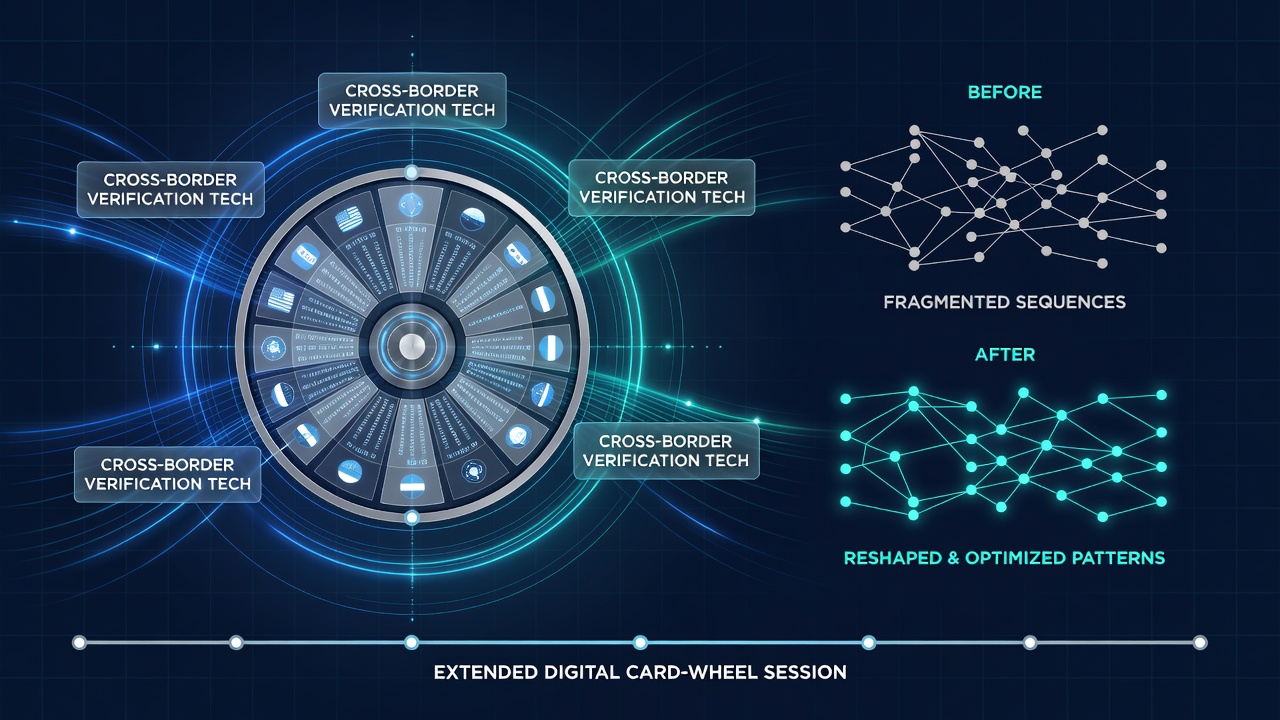
Analysts examining telemetry from portable devices further observe that verification tokens stored securely on user hardware allow seamless transitions between different regulatory zones, and this continuity encourages longer chains of alternating card and wheel plays. For instance, a player might begin with several low-variance roulette rounds, move into blackjack hands once the system confirms ongoing compliance, and then return to wheel spins without re-authentication. Such fluid movement produces distinct pattern signatures that differ from earlier segmented sessions interrupted by compliance gates.
Regulatory Context and Network Adaptations
Authorities in multiple regions have aligned verification standards to support these efficiencies while preserving oversight, and industry reports from the Canadian Gaming Association highlight how shared databases reduce duplicate checks across provincial lines. The result surfaces in pattern data as steadier bet escalation curves, where sequences avoid abrupt stops that once followed each jurisdictional boundary crossing. Observers note that operators adjust game pacing algorithms in response, spacing out certain bonus triggers to match the extended session lengths now feasible under unified verification frameworks.
Academic studies published in gaming technology journals examine these dynamics through anonymized datasets, revealing that verification speed directly influences the frequency of mid-session stake modifications. When verification occurs once and remains valid across networks, players demonstrate more gradual adjustments rather than the stop-start behavior tied to repeated logins. This holds particularly true for extended card-wheel combinations where decision trees grow complex over dozens of rounds.
Future Trajectories in Regulated Environments
Continued refinement of verification protocols promises additional granularity in how sequence data gets recorded and analyzed, and upcoming standards may incorporate predictive compliance scoring that anticipates player movement between regions. Current evidence from operational dashboards already demonstrates reduced variance in session start times once verification clears, allowing pattern researchers to isolate the effects of game mechanics more cleanly from compliance interruptions. Networks continue to test these integrations with an eye toward maintaining audit trails that satisfy every participating regulator without fragmenting the player experience.
Conclusion
Cross-border verification technology continues to streamline access points in regulated digital environments, and the resulting continuity directly influences the structure of bet sequences across card and wheel formats. Data collected through June 2026 and beyond will likely refine understanding of these interactions, while operators and regulators alike track how verification layers reshape participation timelines. The interplay between compliance tools and gameplay rhythms remains a focal point for ongoing measurement across interconnected networks.