How Evolving Data Privacy Rules Influence Reward Personalization in Virtual Table Game Environments Across Borders
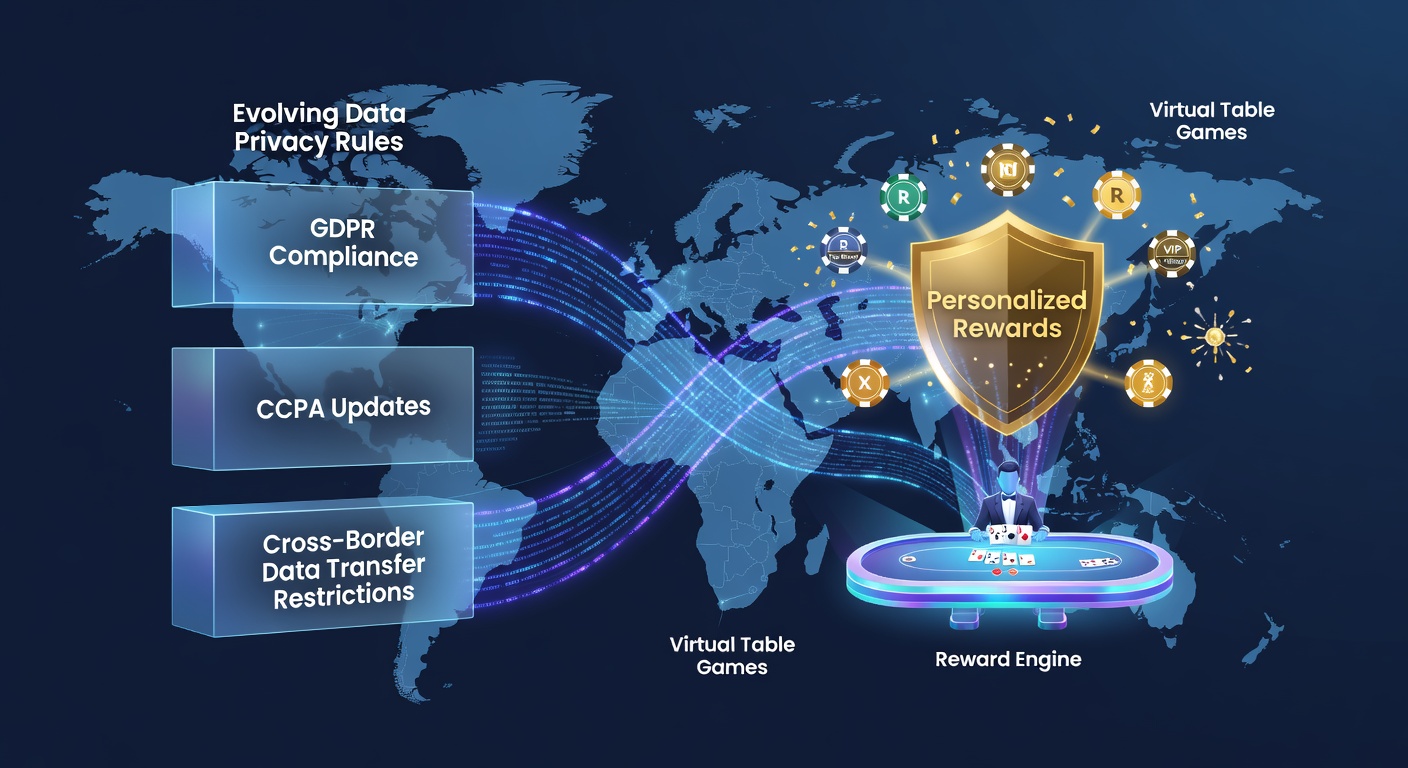
Data privacy regulations continue to reshape how operators handle player information in virtual table game settings, and the impact shows up most clearly in reward personalization systems that rely on cross-border data flows. Rules like the EU's General Data Protection Regulation and Canada's Personal Information Protection and Electronic Documents Act set strict limits on what details platforms can collect, store, and apply when tailoring bonuses or loyalty offers for games such as online blackjack or roulette.
Regulatory Frameworks Driving Change
Operators must now segment their data practices according to the strictest applicable laws when players log in from multiple jurisdictions, which forces platforms to build modular consent systems that activate different reward logic depending on location. Research from the International Association of Gaming Regulators indicates that compliance updates implemented in early 2025 led many sites to reduce the granularity of behavioral tracking used for real-time promotions, and similar adjustments appear set to continue through May 2026 as additional jurisdictions finalize their own data transfer agreements.
What's interesting is how these frameworks interact when a single player account spans regions; a user in Australia might trigger stricter deletion rights under the Privacy Act while another in the United States operates under state-level rules that allow broader retention for marketing purposes. Platforms respond by creating separate data lakes that feed into unified personalization engines yet maintain clear audit trails for each regulatory zone.
Technical Adaptations in Reward Systems
Virtual table game environments depend on algorithms that analyze session length, bet patterns, and game preferences to generate targeted rewards, yet privacy rules increasingly require explicit consent before any cross-device or cross-border profiling occurs. Many operators now deploy edge computing solutions that process personalization requests locally within a player's region before any aggregated insights move to central servers, which reduces the volume of personally identifiable information that travels internationally.
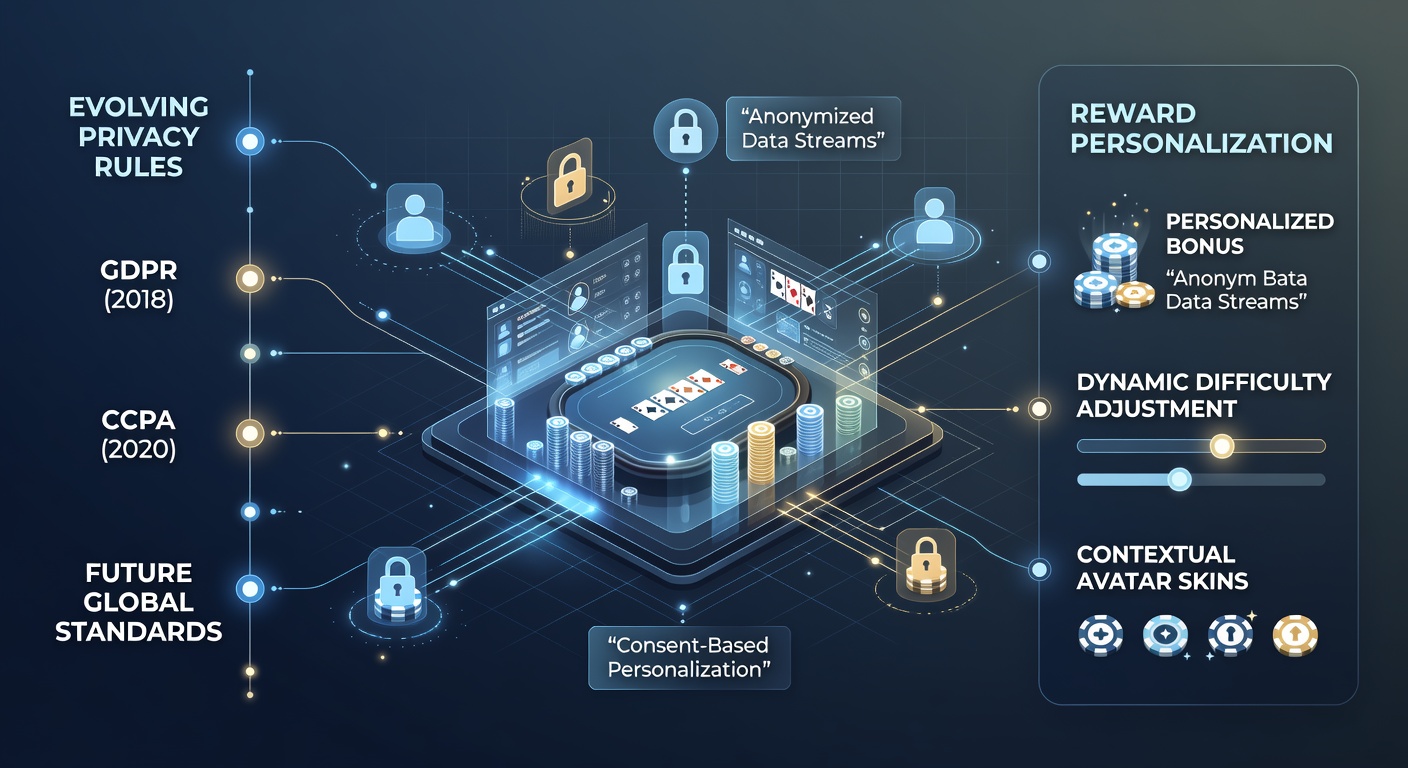
One study conducted by the University of Nevada's International Gaming Institute found that sites adopting federated learning techniques maintained reward redemption rates within 3 percent of previous levels even after restricting raw data transfers. These models train on-device without moving individual player histories, allowing operators to deliver relevant table game incentives while satisfying data minimization requirements across borders.
Regional Variations and Operator Responses
European operators tend to emphasize granular opt-in toggles for every category of reward personalization, whereas platforms serving North American markets often bundle consents into broader terms yet still provide easy withdrawal mechanisms. The Australian Communications and Media Authority has published guidance that encourages gaming companies to offer players dashboard controls over which data points influence their bonus offers, and several major virtual table game providers implemented such tools by spring 2025.
Cross-border tournaments create additional complexity because reward pools must reconcile differing retention periods; a player who requests data deletion in one country may still appear in anonymized leaderboards visible to participants elsewhere. Operators address this through tokenization systems that replace direct identifiers with region-specific keys, preserving the ability to calculate personalized multipliers while preventing any single entity from reconstructing full profiles without fresh consent.
Future Outlook for Personalization Practices
Industry reports project that by May 2026 a growing number of platforms will rely on synthetic data generation to simulate reward testing environments, which further insulates real player information from regulatory scrutiny. These approaches allow developers to refine personalization logic for table games without exposing actual behavioral records during cross-border audits.
Observers note that successful operators treat privacy compliance as an input to their reward engines rather than an external constraint, integrating consent status directly into the variables that determine offer eligibility. This integration ensures that any change in a player's data-sharing preferences immediately recalibrates the available incentives without requiring manual intervention or service interruption.
Conclusion
Evolving data privacy rules continue to prompt measurable shifts in how virtual table game operators design and deliver personalized rewards across borders, with technical solutions ranging from localized processing to synthetic datasets becoming standard practice. Figures from regulatory filings and academic analyses show that platforms maintaining flexible architectures can sustain engagement levels while meeting divergent legal requirements, and further refinements appear likely as additional jurisdictions introduce their own data governance standards in the coming months.