Lighting Design Choices That Influence Prolonged Participation in Digital Slot and Card Experiences
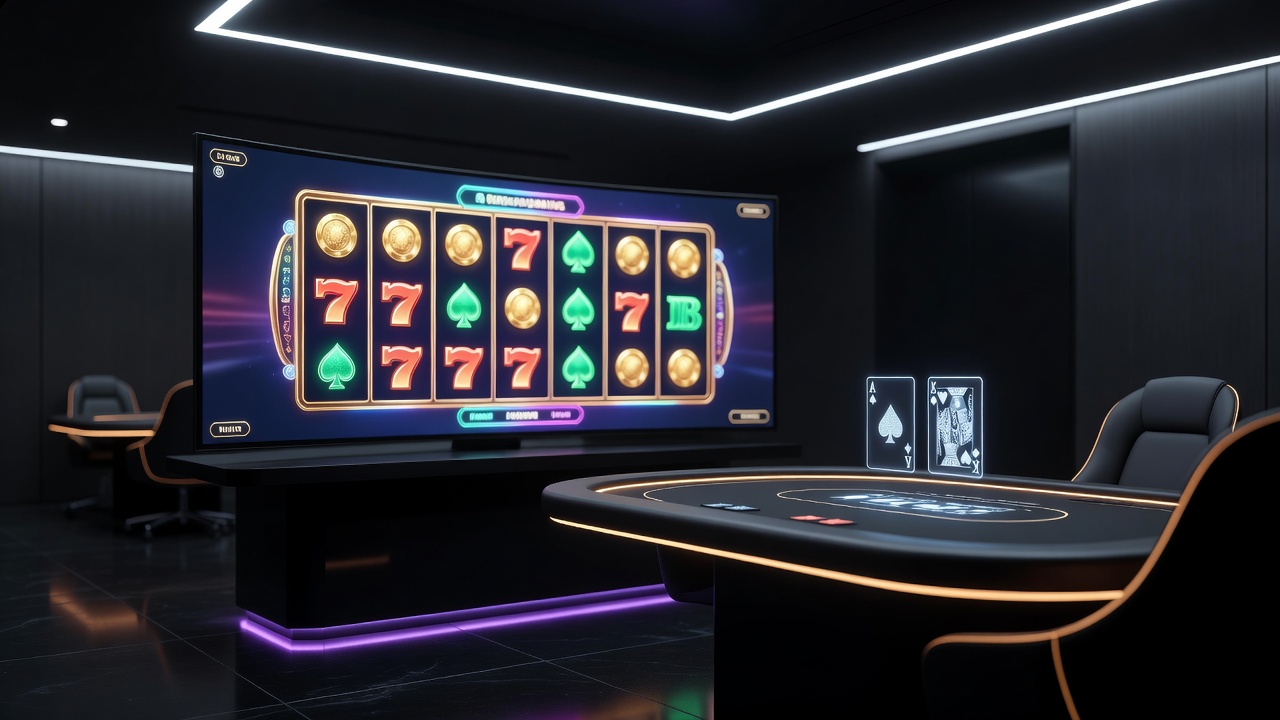
Lighting design in digital slot and card platforms shapes how long users remain engaged with reel spins and virtual table sessions, according to interface research conducted across multiple gaming markets. Developers adjust color temperatures, brightness gradients, and dynamic effects within apps and browser-based environments to match patterns observed in extended play data. These choices connect directly to visual comfort levels that either sustain attention or prompt breaks during sequences of card draws and bonus rounds.
Color Temperature and Alertness Patterns
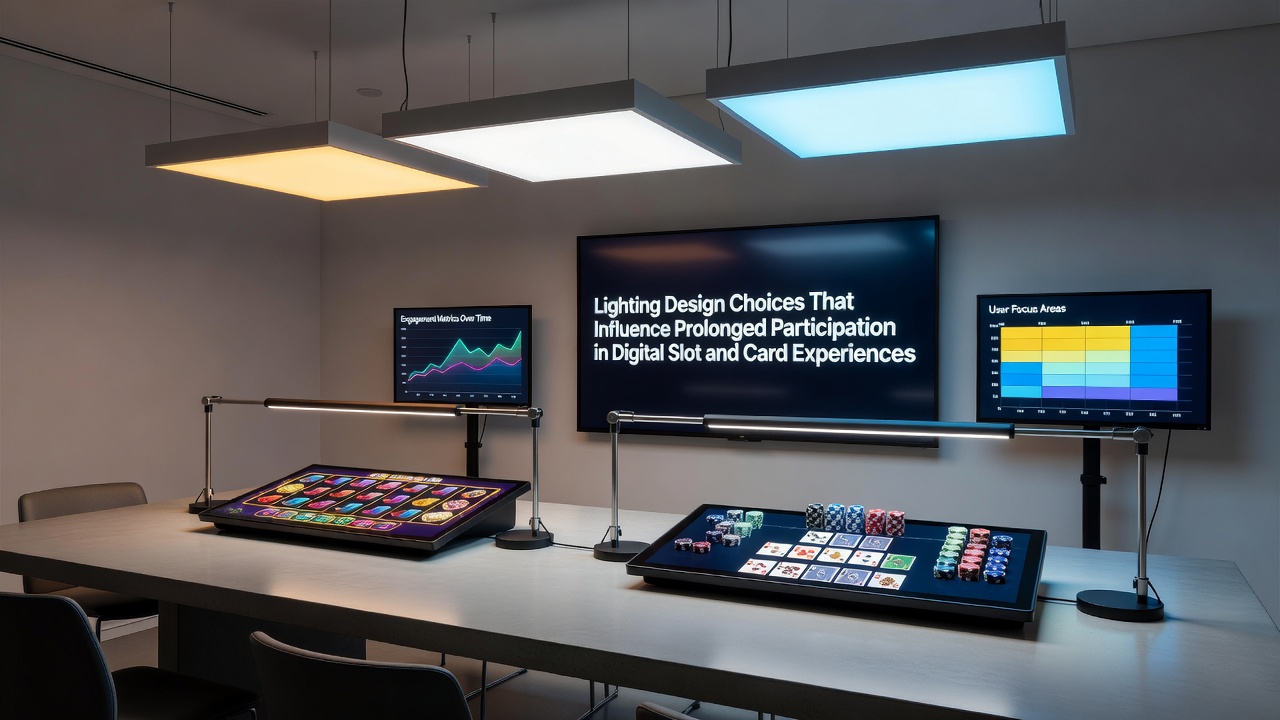
Warm lighting tones around 2700K to 3000K appear in many digital interfaces during base game play, while cooler 5000K to 6500K settings activate during feature triggers or live dealer transitions. Data from portable device studies shows these shifts align with circadian response curves that influence sustained focus without rapid fatigue. Operators in North American and European markets test these ranges against session length metrics reported through anonymized analytics platforms. Observers note that consistent application of mid-range temperatures reduces the abrupt visual resets that can interrupt flow in card game environments.
Brightness Gradients and Contrast Calibration
Screen brightness adjustments between 40 and 70 percent of maximum output, paired with contrast ratios above 1000:1, help maintain visibility across varied ambient conditions in mobile and desktop setups. Research indicates that gradual dimming during idle periods followed by targeted highlights on winning combinations correlates with extended reel engagement times. Canadian regulatory summaries from 2025 documented similar calibration practices in igaming applications, where adaptive brightness preserved legibility during nighttime sessions without increasing reported eye strain complaints. Those calibrations also integrate with battery optimization features that indirectly support longer continuous play windows.
Dynamic Lighting Effects During Gameplay
Animated lighting pulses, soft glow expansions, and localized highlights activate around scatter symbols or successful blackjack splits to reinforce positive feedback loops. These effects rely on frame-rate synchronized intensity changes rather than static overlays, which keeps visual novelty high while avoiding sensory overload. Figures from Australian digital entertainment reports reveal that platforms using synchronized lighting sequences recorded average session extensions of 12 to 18 minutes compared with static designs. The same reports track how such sequences integrate with sound design without creating competing stimuli that might shorten participation.
Adaptive algorithms now modulate these lighting parameters based on individual device sensors and historical play duration, creating personalized visual environments. In June 2026, several major platforms introduced firmware updates that refined these algorithms further, incorporating real-time ambient light detection from device cameras to fine-tune output automatically. This development builds on earlier findings from university-led interface labs that mapped pupil dilation responses to different lighting profiles in simulated gaming conditions.
Integration with Accessibility Standards
Lighting configurations also address regulatory accessibility requirements in jurisdictions such as those overseen by state gaming commissions in the United States and provincial authorities in Canada. High-contrast modes with elevated brightness ceilings support users who experience low vision, while reduced blue-light filters activate automatically after set time thresholds. These dual-purpose settings maintain compliance and simultaneously extend comfortable participation windows for broader user groups. Industry analyses from the American Gaming Association link such features to measurable retention improvements across slot and table game verticals.
Cross-Platform Consistency Considerations
Design teams prioritize lighting parity between native applications and browser versions to prevent abrupt visual shifts when users switch devices mid-session. Consistent gamma curves and color profiles reduce the cognitive load associated with re-adapting to new lighting conditions, which data shows can interrupt ongoing participation patterns. European testing frameworks have examined these transitions in multi-device environments, confirming that standardized lighting parameters correlate with fewer drop-offs during extended card or slot sequences.
Conclusion
Lighting design choices in digital slot and card experiences operate through measurable interactions between color, brightness, contrast, and dynamic feedback that influence how long users continue playing. Ongoing refinements in June 2026 demonstrate continued industry focus on these elements as platforms balance engagement goals with user comfort and regulatory expectations. The documented approaches across multiple regions illustrate how interface lighting functions as a structural component within broader participation frameworks.