Mapping the trajectory of integrated loyalty ecosystems and their influence on game selection sequences in browser-based entertainment platforms
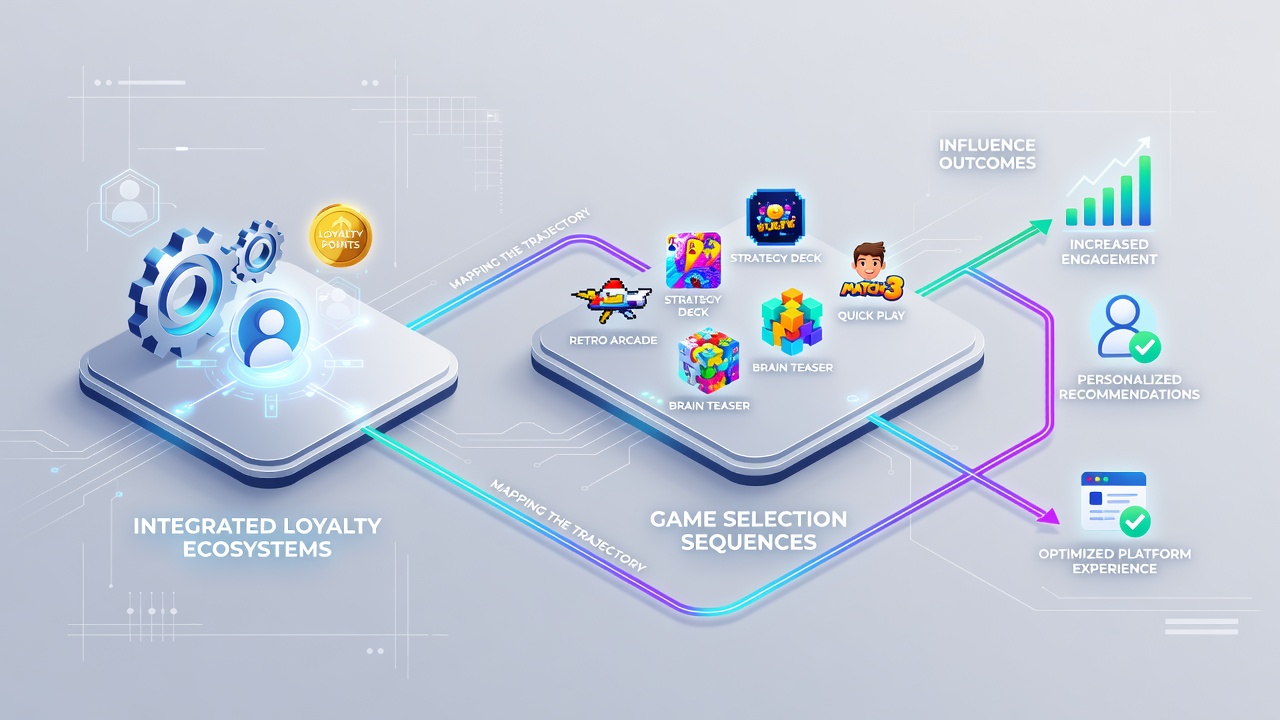
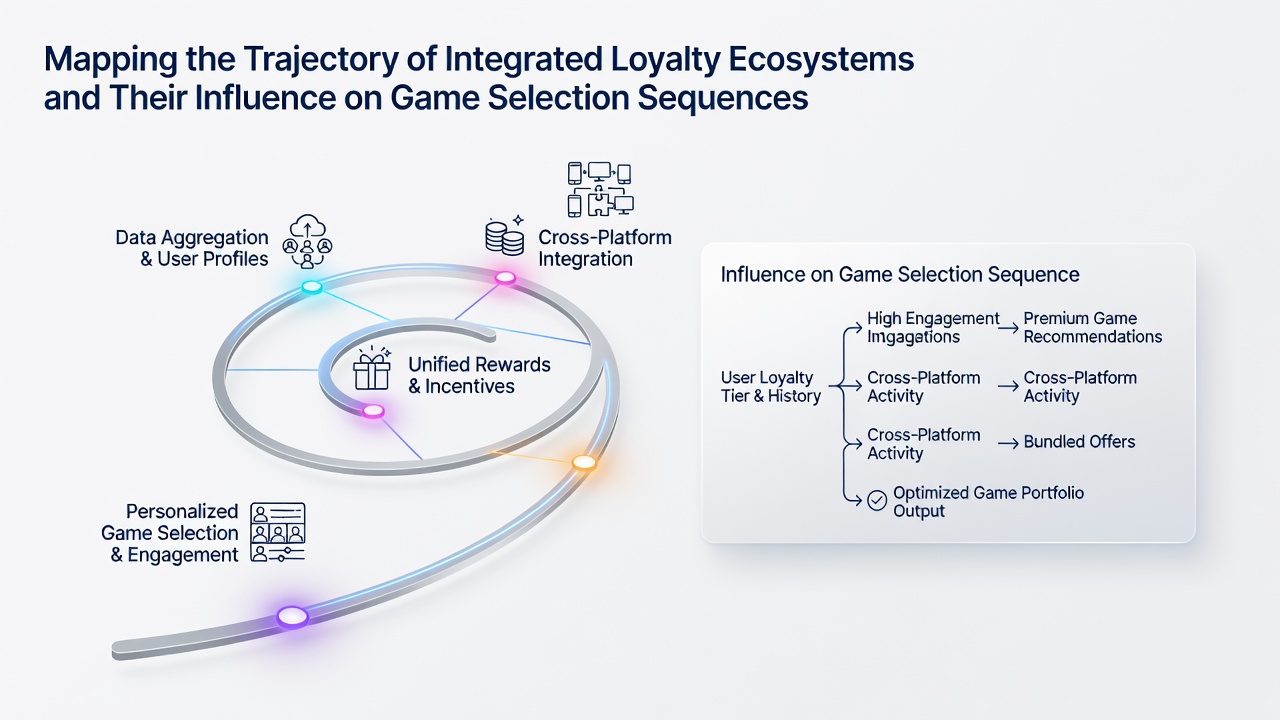
Integrated loyalty ecosystems in browser-based entertainment platforms have developed through successive layers of reward mechanics, data integration, and cross-game connectivity since the early 2010s, with platform operators combining points systems, tiered benefits, and personalized incentives into unified structures that operate across slots, table simulations, and casual titles. These frameworks track user activity in real time, convert engagement metrics into redeemable assets, and feed selection algorithms that surface specific games based on accumulated history rather than random promotion cycles.
Early implementations relied on isolated point collection within single titles, yet subsequent iterations introduced shared wallets and progression ladders that span entire platform catalogs, a shift documented in industry reports from 2023 onward. By July 2026, several major browser platforms reported that over 65 percent of active accounts participated in at least one multi-title loyalty program, according to aggregated figures released by the American Gaming Association.
Evolution of cross-platform reward structures
Operators began embedding loyalty mechanics directly into browser session data rather than relying on external apps, which allowed seamless accumulation across desktop and mobile access points while maintaining consistent user profiles. Researchers at the University of Nevada, Reno tracked how these unified ledgers reduced fragmentation in reward distribution, noting that players who engaged with integrated systems completed an average of 2.4 additional game sessions per month compared with those limited to single-title programs. The transition also introduced dynamic multipliers tied to login streaks and social features, further embedding loyalty logic into daily navigation patterns.
Influence on sequential game choices
Loyalty data streams now shape the order in which games appear in recommendation carousels and lobby filters, directing users toward titles that align with their current tier status or pending reward thresholds. Analysis of session logs from 2024 through mid-2026 shows that players receiving targeted prompts based on loyalty balance exhibit higher completion rates for bonus rounds within promoted sequences, whereas unprompted navigation tends to follow more varied patterns. Platform telemetry indicates that when loyalty progress bars near redemption milestones, selection sequences skew toward shorter-duration games that facilitate quicker point gains, a behavioral adjustment confirmed across multiple European operator datasets.
Data patterns emerging in 2026
Figures compiled through the first half of 2026 reveal that loyalty-driven prompts account for approximately 38 percent of all game launches on participating browser platforms, with the highest concentration occurring during evening peak hours in North American time zones. Cross-border operators have adjusted algorithm weights to comply with regional data-handling requirements, resulting in differentiated selection sequences for users in jurisdictions with stricter privacy statutes. One longitudinal study covering Australian and Canadian markets found that integrated ecosystems increased retention of mid-tier players by 22 percent when reward pathways explicitly linked to new title introductions.
Payment integration adds another dimension, because loyalty points earned through specific deposit methods now unlock additional multipliers that steer users toward corresponding game categories. Observers tracking these linkages report that crypto-funded accounts display distinct sequence preferences compared with traditional card users, with the former gravitating toward higher-volatility options once bonus thresholds activate.
Technical mechanisms driving trajectory shifts
Backend architectures increasingly rely on real-time graph databases that map player histories against game metadata, enabling predictive routing of loyalty incentives to titles with matching volatility or theme profiles. Developers have refined these models to account for session length, device type, and time-of-day variables, producing selection sequences that adapt within individual browsing sessions rather than across days. Such granularity allows platforms to test incremental changes in reward weighting without disrupting overall user flow, a capability that regulatory filings in several U.S. states have begun to reference when reviewing responsible gaming disclosures.
Conclusion
Integrated loyalty ecosystems continue to embed deeper into browser-based entertainment infrastructure, reshaping the pathways users follow when moving between titles and altering the statistical distribution of game selections across large user bases. Data collected through July 2026 indicates sustained growth in adoption rates alongside measurable effects on session composition, while technical refinements promise further personalization within existing compliance frameworks. Continued monitoring by industry associations and academic groups will clarify how these systems evolve in response to both player behavior and regulatory adjustments across regions.