Shifts in Player Behavior Driven by Diverse Funding Channels Within Interactive Gaming Applications
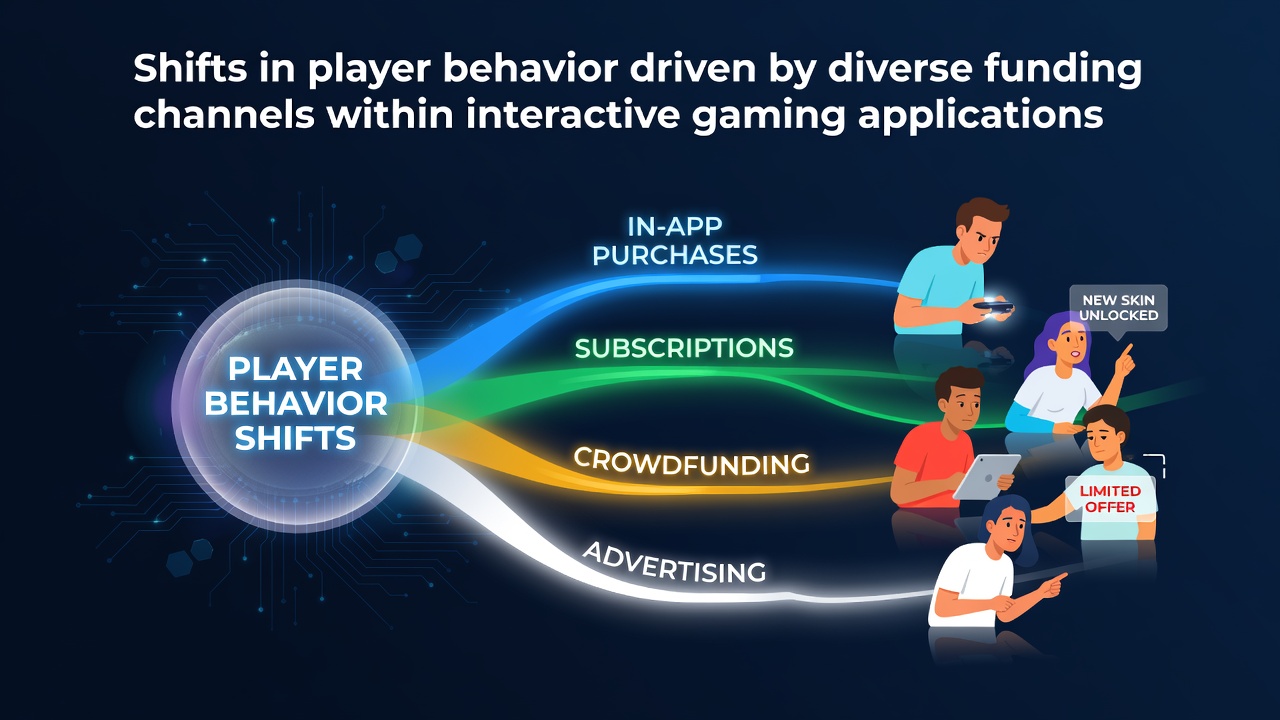
Interactive gaming applications have expanded their payment ecosystems over recent years, incorporating credit cards, e-wallets, cryptocurrency transfers, bank links, and prepaid vouchers that each carry distinct processing speeds and fee structures. Data from industry tracking services indicates these channels correlate with measurable adjustments in session length, deposit frequency, and game selection patterns among users across mobile platforms.
Payment Channel Adoption and Deposit Timing
Observers note that applications integrating instant cryptocurrency options recorded higher volumes of smaller, repeated deposits during peak evening hours in early 2026, whereas traditional card-based systems showed steadier but less frequent transactions concentrated around payday cycles. Researchers tracking user logs across several major platforms found that e-wallet users completed funding steps in under thirty seconds on average, leading to quicker transitions into live dealer or slot sessions compared with bank transfer pathways that often required one to three business days for clearance.
June 2026 figures released by the Interactive Games and Entertainment Association revealed a 14 percent rise in crypto-funded accounts within North American and Australian markets, coinciding with regulatory updates that clarified tax reporting for digital asset transactions in gaming environments. Those same reports documented parallel growth in prepaid voucher usage in European regions where certain operators limited card processing to comply with cross-border rules.
Observed Patterns in Session Duration and Game Choice
Studies conducted by academic teams at multiple universities have linked faster funding methods to extended play periods in casual puzzle and simulation titles, while slower methods aligned with more deliberate selection of strategy-heavy games. One dataset compiled from over 2.3 million anonymized sessions showed cryptocurrency users averaging 47 minutes per session versus 29 minutes for users relying on direct bank debits, although variance increased when loyalty multipliers attached to specific payment types.
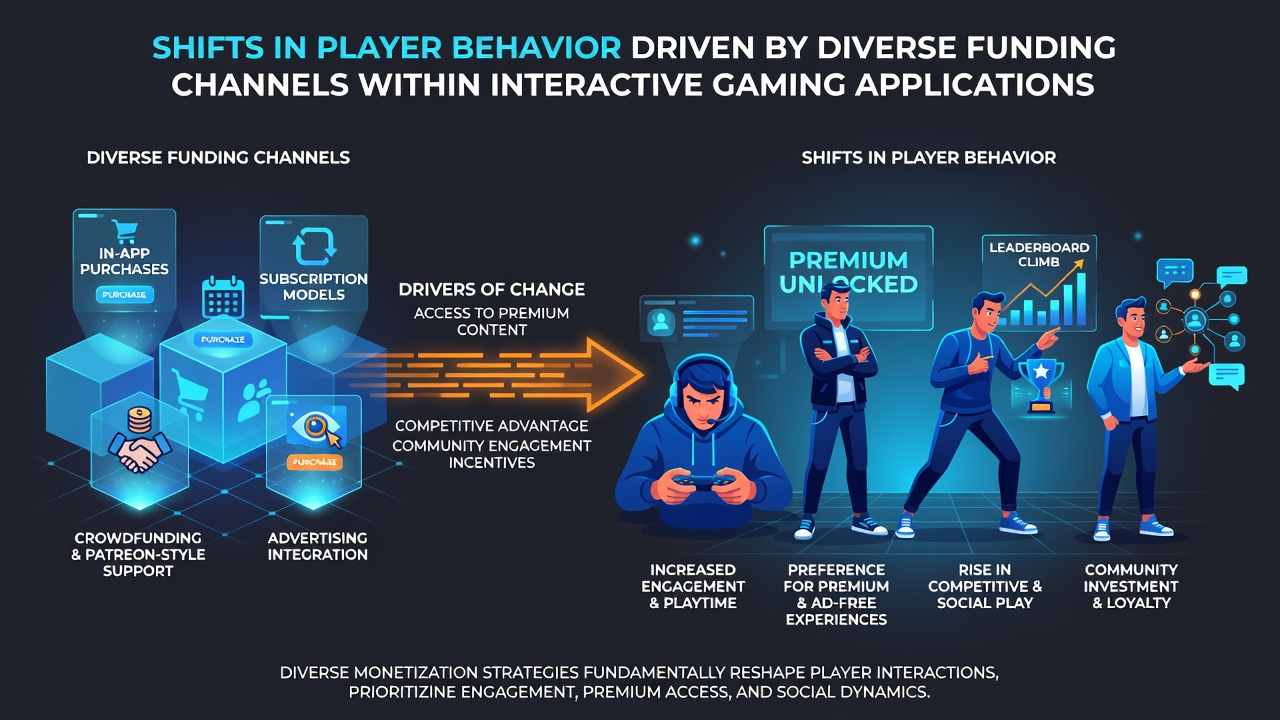
People who regularly alternate between channels demonstrate hybrid patterns: initial deposits via cards followed by mid-session top-ups through digital wallets once bonuses activate. Application analytics teams have recorded these switches occurring most often after users exhaust introductory offers tied to the original method, prompting a shift toward channels that support recurring rewards.
Regional Regulatory Influences on Channel Preferences
Canadian provincial regulators updated disclosure requirements in late 2025 that required clearer fee breakdowns for each deposit option, after which operators reported a measurable uptick in users selecting no-fee bank transfer routes over instant but higher-cost alternatives. Similar adjustments appeared in Singapore, where the Gambling Regulatory Authority mandated separate verification steps for cryptocurrency deposits, resulting in a temporary dip followed by stabilization as users adapted to the new workflow.
According to a report from the Australian Government’s Department of Social Services, applications offering multiple verified channels experienced lower rates of abandoned funding attempts, suggesting that diversified options reduce friction points that previously interrupted player momentum. The report also highlighted that reward personalization algorithms now factor in a user’s dominant payment method when distributing in-game incentives.
Long-Term Tracking of Reward Structures and Channel Loyalty
Longitudinal data collected through 2026 indicates that players who adopt a single preferred channel often receive tailored promotions that reinforce that choice, creating feedback loops visible in retention metrics. Conversely, multi-channel users encounter broader but less frequent incentives, which correlates with higher exploration of new game titles rather than repeated spins on familiar reels.
Industry organizations such as the European Gaming and Betting Association have compiled comparative studies showing that operators who synchronize bonus eligibility across all accepted funding methods achieve more uniform engagement distributions than those restricting top rewards to premium or instant channels alone.
Conclusion
Tracking continues as platforms refine integration of emerging options like central bank digital currencies and biometric-linked payments. Available datasets demonstrate consistent associations between channel characteristics and measurable behavioral metrics, providing operators and researchers with concrete variables for ongoing analysis of interactive gaming ecosystems.