The Influence of Transaction Pathways on Sustained Play Cycles Across Handheld Dealer-Led Formats
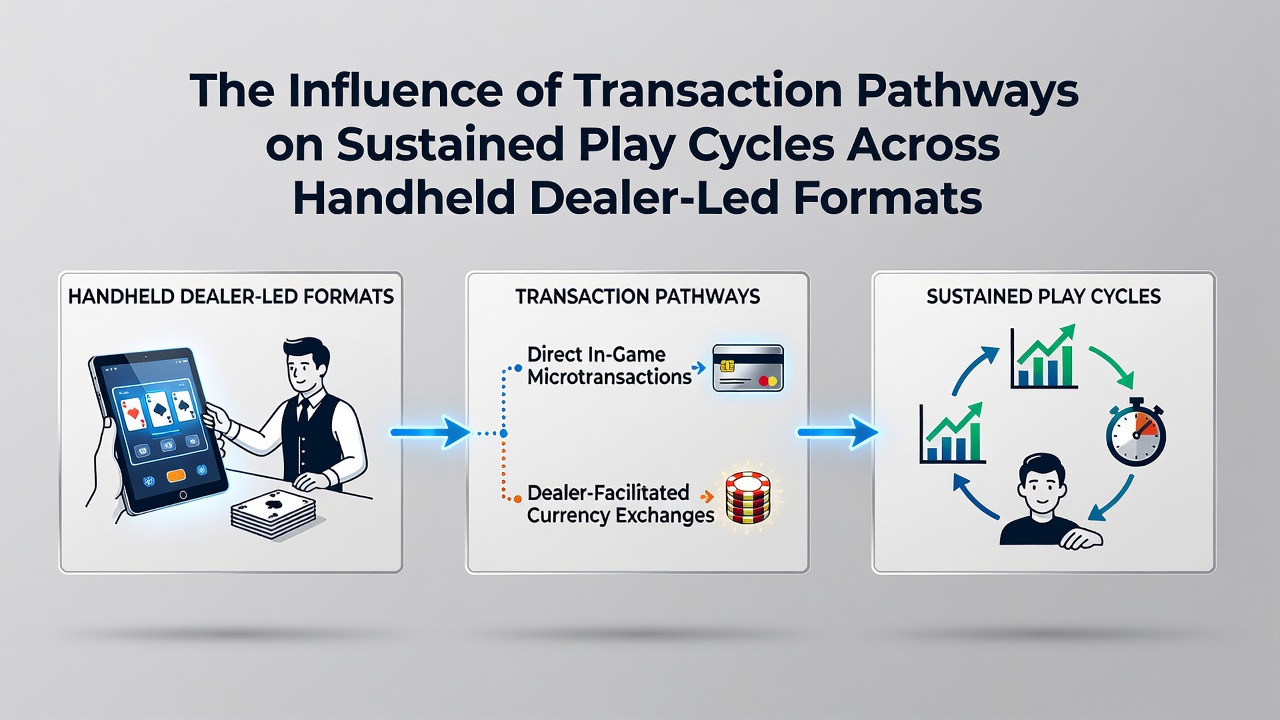
Transaction pathways encompass the various methods players use to fund accounts and complete withdrawals in handheld dealer-led formats, and these pathways exert measurable effects on how long individuals maintain active participation in live dealer sessions conducted through mobile platforms. Data from regulatory filings indicate that seamless deposit options correlate with extended session durations, while friction in funding processes often leads to earlier exits from play cycles.
Defining Key Elements in Portable Live Dealer Environments
Handheld dealer-led formats refer to mobile applications and platforms that stream real-time interactions with human dealers handling games such as blackjack, roulette, and baccarat. Observers note that transaction pathways include bank transfers, digital wallets, credit card authorizations, and cryptocurrency channels, each carrying distinct processing speeds and fee structures that influence player retention patterns.
Research indicates that pathways supporting instant deposits enable players to resume live table action without interruption, whereas delayed verification steps in certain funding methods interrupt momentum and shorten overall engagement windows. Figures from multiple jurisdictions reveal that platforms optimizing these pathways report higher average minutes per session during peak evening hours.
Data Patterns from Recent Monitoring Periods
Records compiled through July 2026 show steady growth in mobile live dealer participation across North American and Asian markets, with transaction pathway efficiency emerging as a recurring variable in sustained play metrics. According to statistics released by the Nevada Gaming Control Board, iGaming revenue streams tied to live dealer products rose notably when operators expanded support for instant digital wallet integrations.
Analysts tracking cross-regional trends find that pathways incorporating biometric authentication reduce drop-off rates between deposit confirmation and table entry. One dataset covering portable formats highlighted that sessions initiated via low-friction channels lasted an average of 18 percent longer than those requiring manual review steps.
Regional Variations in Pathway Adoption
Operators in different markets prioritize transaction methods based on local banking infrastructure and regulatory requirements. In jurisdictions where digital wallets dominate, sustained play cycles extend because players encounter fewer barriers when topping up balances mid-session. Conversely, reliance on traditional bank wires in certain areas correlates with shorter bursts of activity followed by longer intervals between logins.
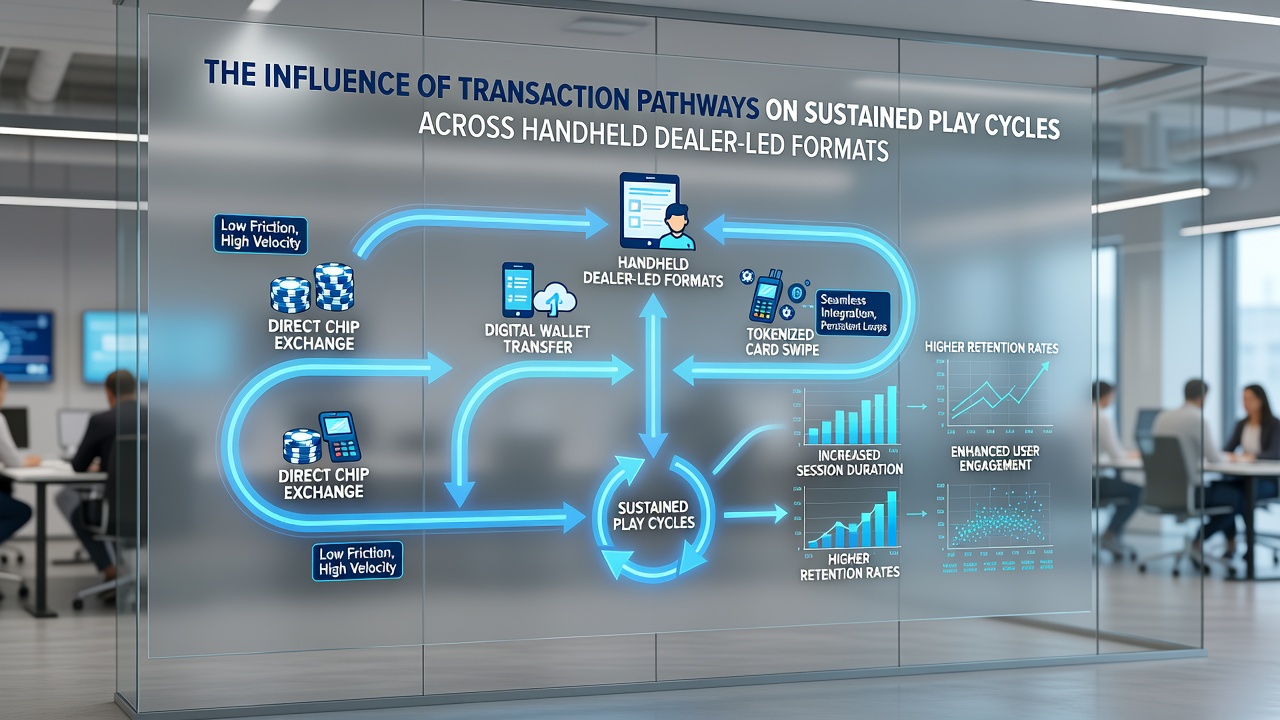
Those monitoring European markets observe that pathways aligned with regional instant payment systems produce steadier participation curves compared with credit-based options that trigger additional security prompts. A report issued by the European Gaming and Betting Association details how pathway diversity influences repeat logins across handheld formats during summer months when mobile usage peaks.
Mechanisms Linking Pathways to Cycle Longevity
Transaction speed affects cognitive flow during live dealer rounds because players who complete funding quickly maintain focus on card outcomes and dealer interactions rather than interface delays. Studies tracking behavioral logs demonstrate that seamless withdrawal options also contribute to sustained cycles by building confidence that winnings remain accessible without prolonged processing times.
Multiple funding channels operating in parallel allow players to switch methods when one pathway encounters temporary issues, preserving continuity in play. Data indicates that platforms offering three or more verified pathways experience lower abandonment rates during high-volume periods, particularly when live tables operate at full capacity.
Operational Adjustments by Platform Providers
Providers respond to observed patterns by refining authentication layers and expanding supported gateways. Adjustments implemented ahead of July 2026 included broader integration of regional instant transfer services, which coincided with measurable increases in average session length across tested handheld applications.
Platform teams monitor pathway performance through aggregated session data, adjusting promotional triggers tied to specific deposit methods to encourage longer engagement windows. These refinements occur without altering core game rules, focusing instead on the entry and exit points that frame each play cycle.
Conclusion
Transaction pathways continue to shape participation duration in handheld dealer-led formats through measurable differences in processing efficiency and user friction. Evidence gathered from regulatory sources and industry reports demonstrates consistent associations between pathway optimization and extended play cycles, while regional infrastructure differences produce distinct outcomes across markets. Continued monitoring of these variables provides operators with concrete indicators for refining mobile live dealer offerings.