Unpacking interface tweaks that steer long-term reel and card engagement through tailored incentives on handheld platforms
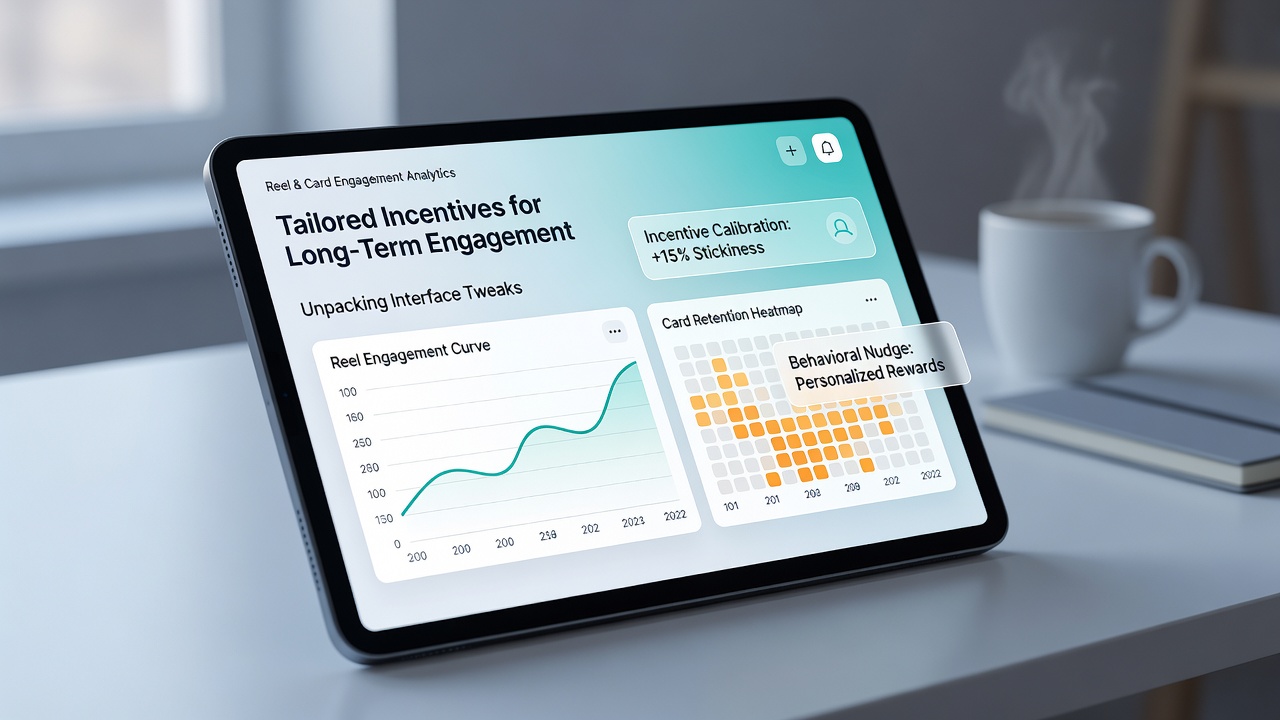
Handheld platforms continue to refine their interfaces with targeted adjustments that encourage extended participation in reel and card formats, and these changes center on incentive structures that adapt to individual patterns. Developers adjust button placement, notification timing, and reward visualization to align with user behavior data collected over multiple sessions. Such modifications appear in apps where swipe mechanics replace traditional taps for spinning reels, while card tables feature overlaid progress bars that display accumulating loyalty points in real time.
Core Interface Adjustments in Mobile Reel Environments
Reel games on portable devices incorporate dynamic layouts that shift based on session length, and studies from industry analysts indicate these tweaks increase repeat logins by presenting incentive prompts at calculated intervals. For instance, a progress tracker may expand into a full-screen overlay after a set number of spins, revealing bonus multipliers tied to consecutive daily activity. Data from July 2026 shows mobile slot sessions averaging longer durations when interfaces highlight streak rewards through color-coded animations that update without requiring menu navigation.
Those who monitor engagement metrics observe that incentive delivery often relies on micro-interactions such as haptic feedback paired with point accrual displays, and this combination reduces friction during transitions between game rounds. Platforms integrate these elements so that reward claims occur directly within the reel view, avoiding separate screens that might interrupt flow. Research indicates that players encountering such streamlined paths maintain higher retention rates across weeks of use compared to static designs.
Personalized Card Table Incentives and Layout Refinements
Card formats on handheld systems apply similar principles through adaptive tables that resize elements according to detected play styles, and tailored incentives appear as side-panel offers that update based on recent hand outcomes. Observers note that features like instant cashback visuals or tiered loyalty ladders encourage continued table presence, particularly when prompts reference prior session data without explicit user input. In July 2026, several major operators reported measurable upticks in live dealer card participation following interface updates that embedded reward previews into the main gameplay window.
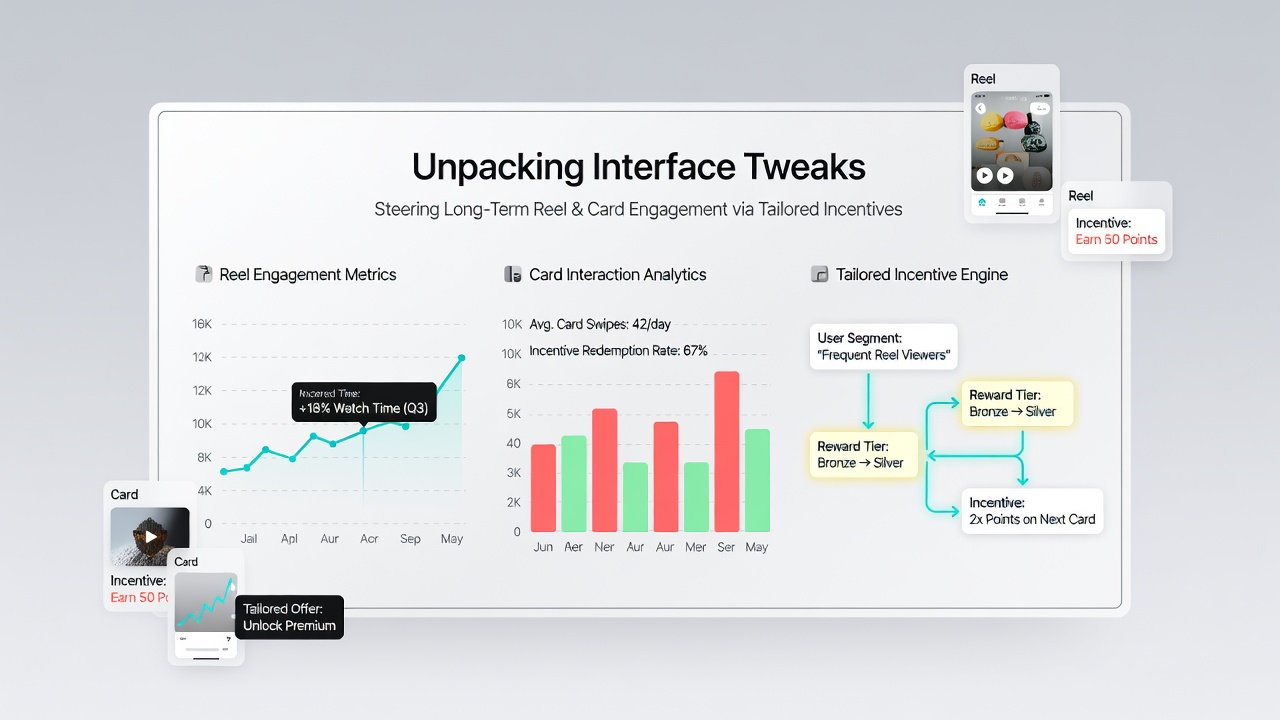
These refinements extend to payment-linked incentives where funding channel selections trigger contextual bonuses displayed as expandable cards within the interface, and analysts from the American Gaming Association document how such integrations sustain activity across both reel and card offerings. The approach avoids separate menus by embedding eligibility notices that fade in after each completed round, maintaining visual continuity. Evidence from platform audits suggests these methods correlate with extended average session times when users perceive rewards as immediate and relevant to their choices.
Data Patterns Observed Across Portable Ecosystems
Long-term tracking reveals that interface elements emphasizing cumulative incentives produce distinct engagement curves, and figures from regulatory reports compiled through mid-2026 highlight increased cross-format participation when reel and card sections share unified progress systems. Platforms that synchronize reward tiers across game types report users switching between formats more frequently, driven by visual cues that carry over accumulated benefits. Those studying user flows note that subtle tweaks, including gesture-based claim buttons and predictive loading of incentive screens, contribute to smoother transitions without abrupt pauses.
What's interesting is how these adjustments incorporate regional compliance layers that display localized incentive terms directly in the interface, and sources such as the Australian Gambling Research Centre provide context on how such transparency features influence sustained patterns. Developers test variations in notification density to balance visibility with usability, resulting in layouts where incentive alerts occupy minimal screen space yet remain accessible through consistent iconography. This method supports retention across diverse user demographics by adapting prompt frequency to observed interaction histories.
Conclusion
Interface modifications on handheld platforms continue to evolve around incentive mechanisms that prioritize seamless integration with reel and card gameplay, and ongoing data collection shapes refinements that respond to aggregate behavior signals. As of July 2026, these developments demonstrate measurable effects on session duration and format switching when personalization aligns with individual engagement histories. Further adjustments will likely build on current frameworks to maintain continuity while meeting emerging operational requirements across mobile ecosystems.